Introduction
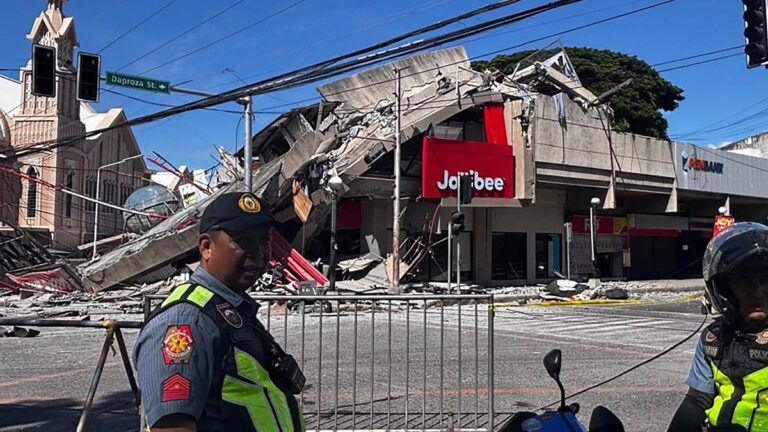
The Philippines is one of the most geologically active countries in the world. Surrounded by major tectonic plates and located within the Pacific Ring of Fire, the nation experiences earthquakes more frequently than many other regions. Every year, residents across different islands feel tremors ranging from minor shakes to destructive seismic events that can impact communities, infrastructure, and livelihoods.
A philippines earthquake is not merely a natural occurrence reported in the news. For millions of Filipinos, it represents a recurring reality that influences building standards, disaster preparedness programs, and everyday life. Understanding why earthquakes happen, how they affect the country, and what individuals can do to stay safe is essential for reducing risk and improving resilience.
This article explores the science behind earthquakes in the Philippines, examines their historical impact, and provides practical preparedness tips for individuals and families.
Why Earthquakes Are Common in the Philippines
The Philippines sits along several active fault lines and tectonic boundaries. These geological features make the country particularly vulnerable to seismic activity.
The Pacific Ring of Fire
The Pacific Ring of Fire is a horseshoe-shaped region surrounding the Pacific Ocean where many of the world’s earthquakes and volcanic eruptions occur. The Philippines lies directly within this zone.
As tectonic plates move, collide, and slide against each other, energy builds up beneath the Earth’s surface. When this energy is released, an earthquake occurs.
Major Tectonic Plates Affecting the Philippines
Several tectonic plates influence seismic activity in the region:
- Philippine Sea Plate
- Eurasian Plate
- Sunda Plate
- Pacific Plate
The interaction between these massive geological structures contributes significantly to the occurrence of a philippines earthquake.
Understanding How Earthquakes Occur
An earthquake begins when stress accumulates along faults beneath the Earth’s crust.
Eventually, the rocks can no longer withstand the pressure. They suddenly break or shift, releasing energy in the form of seismic waves.
These waves travel through the ground and create shaking that can be felt at the surface.
Key Earthquake Terms
Epicenter
The point on the Earth’s surface directly above where the earthquake begins.
Focus
The underground location where the rupture actually starts.
Magnitude
A measurement of the energy released during an earthquake.
Intensity
A measure of how strongly people feel the shaking in specific areas.
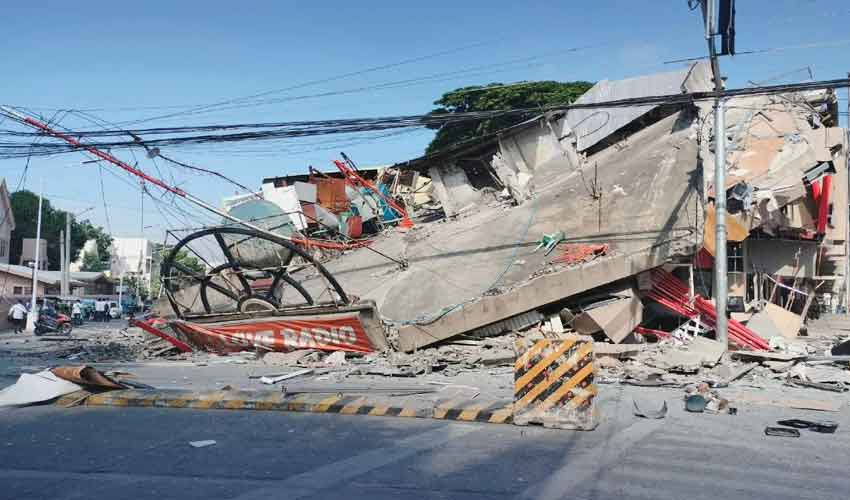
Understanding these concepts helps explain why one philippines earthquake may cause minimal disruption while another results in widespread damage.
Historical Earthquakes That Shaped the Nation
The Philippines has experienced numerous significant earthquakes throughout its history.
The 1990 Luzon Earthquake
One of the most devastating earthquakes in modern Philippine history occurred on July 16, 1990.
The earthquake measured 7.8 in magnitude and caused extensive destruction across Luzon.
Its impact included:
- Thousands of injuries
- Major structural damage
- Road collapses
- Power interruptions
- Economic losses reaching billions of pesos
The event remains a critical reminder of the country’s vulnerability to seismic disasters.
Bohol Earthquake of 2013
Another major philippines earthquake occurred in October 2013.
This powerful event damaged:
- Historic churches
- Roads
- Bridges
- Residential communities
Many cultural landmarks suffered severe damage, highlighting the importance of preserving historical structures while improving their resistance to earthquakes.
Effects of Earthquakes on Communities
Earthquakes affect much more than buildings.
Their consequences often extend into economic, social, and environmental areas.
Human Impact
Earthquakes can result in:
- Injuries
- Fatalities
- Displacement
- Psychological stress
Families may take months or even years to fully recover from severe events.
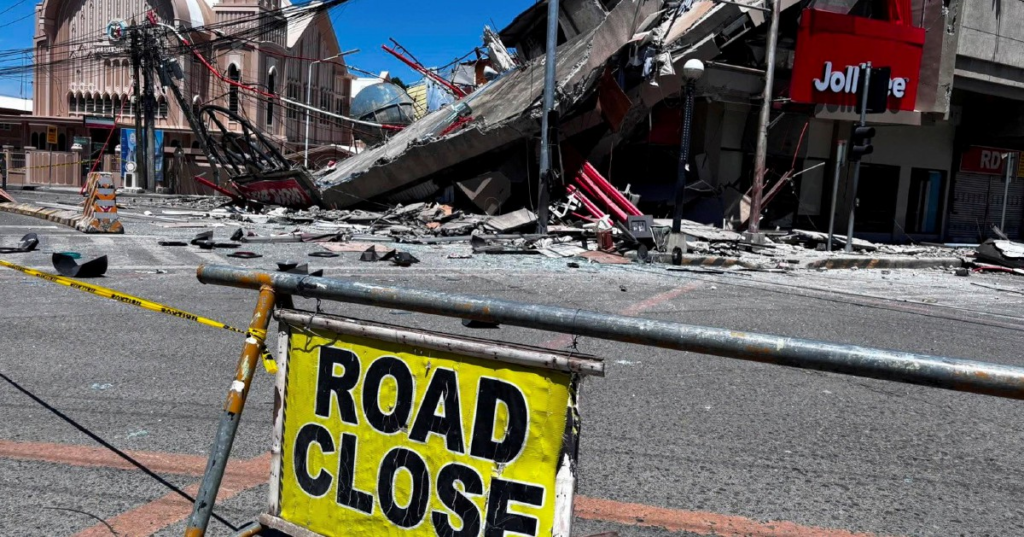
Infrastructure Damage
Strong ground shaking can affect:
- Hospitals
- Schools
- Airports
- Bridges
- Transportation systems
Repairing damaged infrastructure often requires significant financial investment.
Economic Consequences
A major philippines earthquake can disrupt businesses, tourism, transportation, and local industries.
Economic recovery frequently becomes a long-term challenge after large seismic events.
The Role of Modern Technology in Earthquake Monitoring
Advances in technology have improved earthquake monitoring and disaster response.
Today, scientists use sophisticated tools to detect and analyze seismic activity.
Monitoring Stations
Networks of sensors across the country continuously record ground movement.
These stations help experts determine:
- Earthquake location
- Magnitude
- Depth
- Potential impact
Real-Time Data
Modern communication systems allow authorities to distribute information more quickly than ever before.
Although earthquakes cannot currently be predicted with exact accuracy, rapid information sharing helps communities respond faster.
How Building Standards Reduce Earthquake Damage
One important lesson learned from previous disasters is the value of strong construction practices.
Buildings designed with seismic resistance in mind are more likely to withstand shaking.
Features of Earthquake-Resistant Structures
These may include:
- Reinforced concrete
- Flexible structural systems
- Deep foundations
- Shock-absorbing designs
As urban populations continue to grow, investing in resilient infrastructure remains a priority.
The history of every major philippines earthquake demonstrates why strict building codes are essential.
Earthquake Preparedness for Families
Preparedness can significantly reduce injuries and damage.
Families should have a plan before an emergency occurs.
Create an Emergency Kit
A basic kit should include:
- Drinking water
- Non-perishable food
- Flashlights
- Batteries
- First-aid supplies
- Essential medications
- Emergency contact information
Secure Household Items
Heavy furniture should be anchored to walls.
Items that could fall during shaking should be secured properly.
Practice Emergency Drills
Family members should know:
- Safe evacuation routes
- Emergency meeting locations
- Communication plans
Preparedness transforms uncertainty into action.
What To Do During an Earthquake
Knowing how to respond can save lives.
If You Are Indoors
Follow the “Drop, Cover, and Hold On” method.
- Drop to the ground
- Take cover under sturdy furniture
- Hold on until shaking stops
Avoid windows and heavy objects that could fall.
If You Are Outdoors
Move to an open area away from:
- Buildings
- Trees
- Utility poles
- Bridges
If You Are Driving
Pull over safely and remain inside the vehicle until shaking ends.
These simple actions can reduce injury during a philippines earthquake.
The Importance of Community Awareness
Preparedness works best when entire communities participate.
Local governments often organize:
- Disaster simulations
- Emergency drills
- Public education campaigns
- Risk assessment programs
These initiatives help strengthen collective resilience.
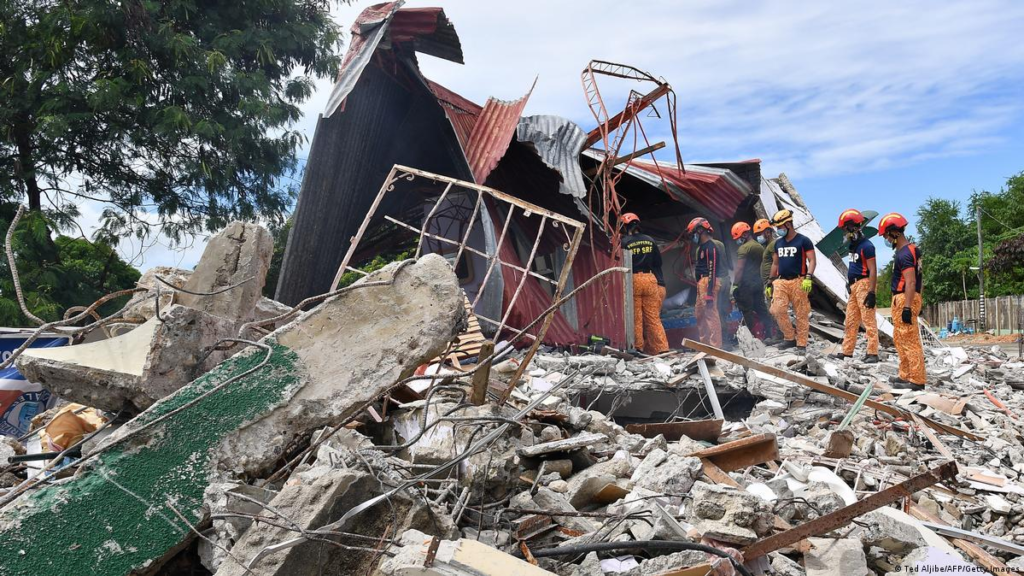
Communities that prepare together often recover faster after disasters.
Climate Change and Earthquakes: Is There a Connection?
Earthquakes are caused primarily by tectonic movement rather than climate change.
However, climate-related disasters such as floods and typhoons can compound recovery challenges after a seismic event.
For example:
- Damaged infrastructure becomes more vulnerable.
- Emergency resources may already be stretched.
- Recovery costs can increase significantly.
As a result, comprehensive disaster planning remains essential.
Future Challenges for the Philippines
Population growth and urban expansion present new challenges.
More people are living in densely populated areas where earthquake risks can have greater consequences.
Future priorities include:
- Improving public awareness
- Strengthening infrastructure
- Enhancing emergency response systems
- Expanding scientific research
- Supporting community preparedness programs
The lessons learned from every philippines earthquake should guide future planning and development.
Conclusion
Earthquakes have shaped the history, infrastructure, and disaster management strategies of the Philippines. Located within one of the world’s most active seismic regions, the country must continually adapt to the challenges posed by tectonic activity.
A philippines earthquake can occur without warning, making preparedness one of the most effective tools for reducing risk. Through education, stronger buildings, emergency planning, and community cooperation, individuals and governments can work together to improve resilience and protect lives.
While earthquakes cannot be prevented, their impact can be reduced through awareness, preparation, and informed decision-making. The more people understand these natural events, the better equipped they become to face future challenges with confidence.
Frequently Asked Questions (FAQs)
1. Why does the Philippines experience so many earthquakes?
The Philippines is located within the Pacific Ring of Fire and sits near several active tectonic plates and fault lines.
2. Can scientists predict earthquakes accurately?
No. Scientists can identify high-risk areas and monitor activity, but they cannot predict the exact time and location of earthquakes.
3. What is the safest thing to do during an earthquake?
The recommended action is to Drop, Cover, and Hold On until the shaking stops.
4. Which region in the Philippines is most prone to earthquakes?
Several regions face seismic risks, including areas near active fault systems throughout Luzon, Visayas, and Mindanao.
5. How can families prepare for an earthquake?
Families should create emergency kits, develop communication plans, secure furniture, and practice evacuation drills.
6. Are aftershocks dangerous?
Yes. Aftershocks can cause additional damage to weakened structures and should always be taken seriously.
7. How often does a philippines earthquake occur?
The country experiences thousands of earthquakes annually, though many are too small to be felt.
Call to Action
Want to stay informed about natural disasters, emergency preparedness, and global seismic events? Bookmark our website, share this article with friends and family, and stay updated with the latest insights on philippines earthquake developments. Prepared communities are safer communities, and awareness is the first step toward protection.